
From the Rule of St. Benedict (Ch. 49)
The life of a monastic should have about it at all times the character of a Lenten observance. Yet since few have the virtue for that, we therefore urge that during the actual days of Lent the community keep their lives most pure and at the same time wash away during these holy days all the negligences of other times. And this will be worthily done if we restrain ourselves from all vices and give ourselves up to prayer with tears, to reading, to compunction of heart and to abstinence. During these days, therefore, let us increase somewhat the usual burden of our service, as by private prayers and abstinence from food or drink. Thus, everyone of their own will may offer God “with joy of the Holy Spirit” (1 Thess. 1:6) something above the measure required of him.
Reflection
What should I give up for Lent? Benedict makes the point that all of our life should manifest the abstinence and restraint of a Lenten observance.
Isn’t restraining ourselves from sinful habits and giving ourselves to prayer, reading, and compunction of heart a good thing to practice year-round? What is the point of giving up chocolate or alcohol, as a token sacrifice, intending that we will take it up again the minute Lent is over? What is the point of giving up something we can do without while still being lax in our habits of prayer and study and service to others? Laura Swan wrote, “God hands us our asceticism through the normal circumstances of everyday life.” [1]
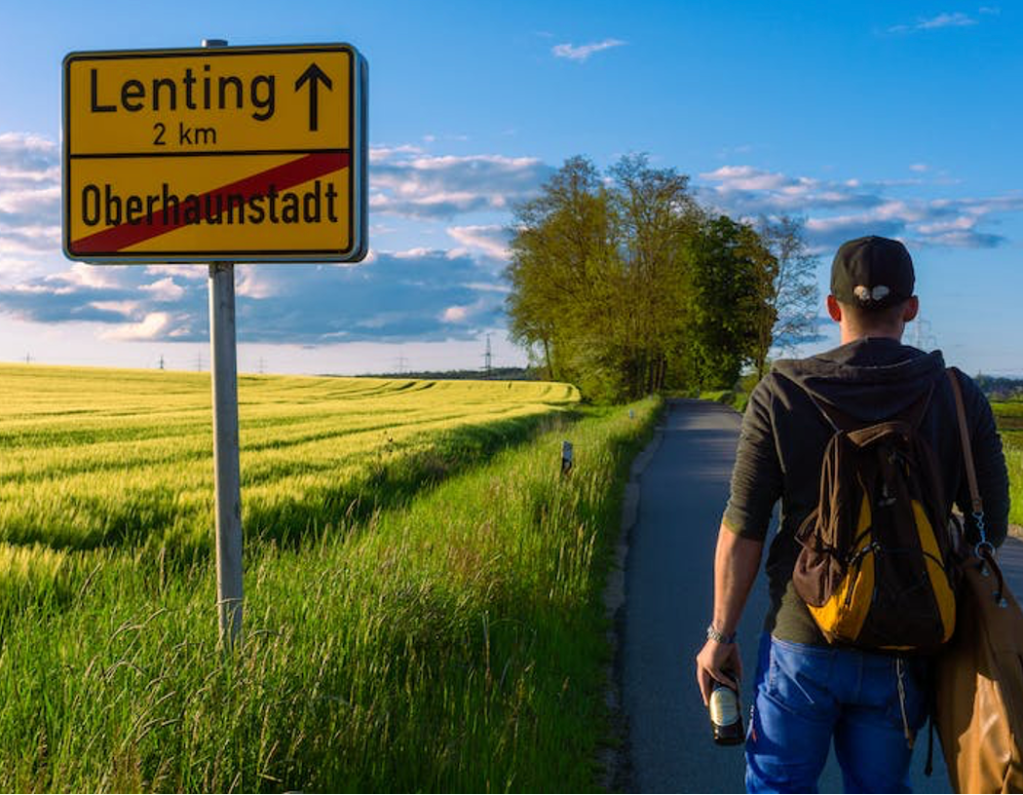
Benedict suggests that during Lent we increase the “usual burden of our service,” perhaps by praying more faithfully or volunteering for that ministry we have felt called to join, as well as restraining ourselves with greater intention from food and drink we don’t need. He further says we should do this of our own will, offering it to God with the “joy of the Holy Spirit.” In other words, Lent should be joyfully observed. We don’t do this to earn points with God, but rather out of deep gratitude for God’s grace to us.

Prayer
Gracious God, thank you for the joy of your Holy Spirit and the grace that inspires me to be intentional about all the things that are good for me and bring joy to others. Amen.
_____________________
- Laura Swan, Engaging Benedict. (Notre Dame, IN: Ave Maria Press, 2005), p. 108.
 Improbable Benedictine